Fun and Engaging Creative Activities for Toddlers at Home
- Jul 16
- 3 min read
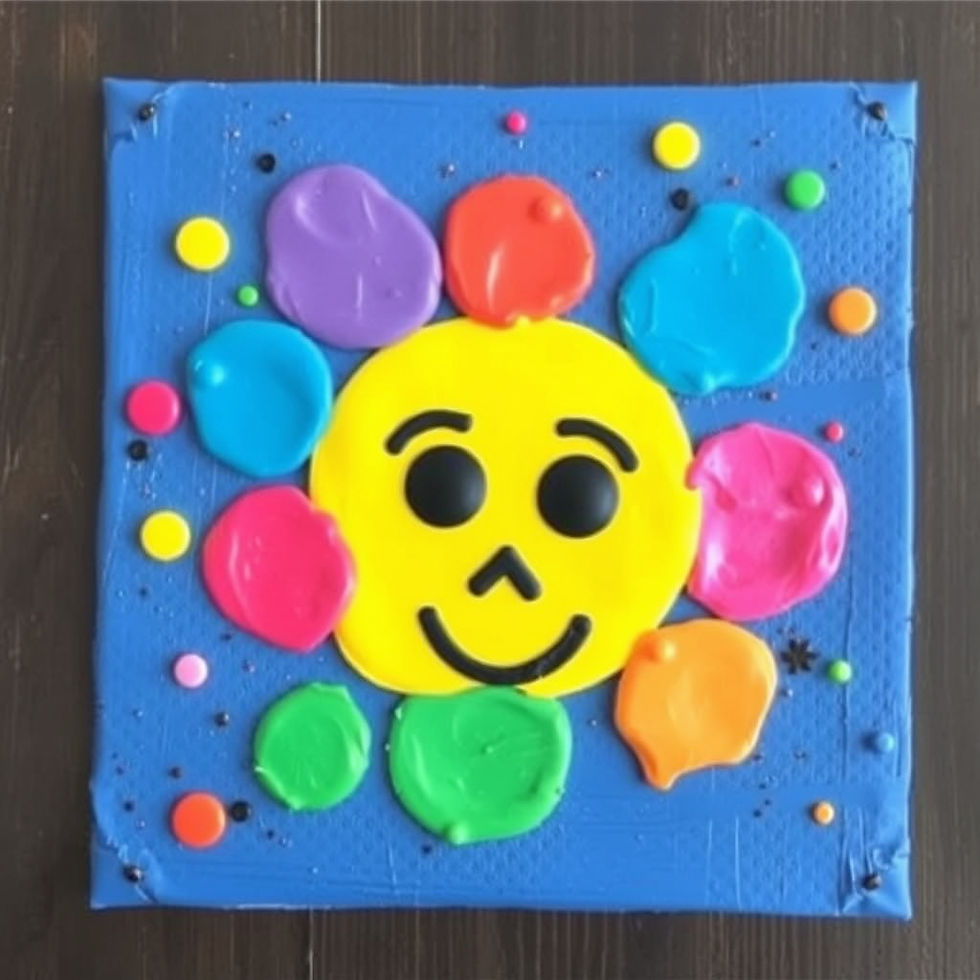
Toddlers have endless energy and curiosity, which makes it the perfect time to introduce creative activities that stimulate their imagination and fine motor skills. Keeping young children entertained at home can be a challenge, but with the right ideas, you can turn everyday moments into fun learning experiences. This post shares practical and enjoyable creative activities, including painting and other hands-on projects, that toddlers will love.
Painting Ideas That Spark Creativity
Painting is a classic activity that encourages toddlers to explore colors and textures. It also helps develop hand-eye coordination and decision-making skills. Here are some simple painting ideas you can try at home:
Finger Painting
Use non-toxic, washable paints and let your toddler explore with their fingers. Spread a large sheet of paper on a table or floor and encourage them to make patterns, shapes, or just enjoy the feel of paint on their hands.
Sponge Painting
Cut sponges into fun shapes like stars or hearts. Dip them in paint and press onto paper. This adds a new texture and makes stamping easy for little hands.
Bubble Wrap Printing
Wrap bubble wrap around a rolling pin or use small pieces as stamps. Paint the bubble wrap and press it onto paper to create interesting patterns.
Nature Painting
Collect leaves, twigs, or flowers and use them as brushes or stamps. This activity connects toddlers with nature and adds variety to their painting tools.
Make sure to cover surfaces with newspaper or a plastic sheet to keep cleanup manageable. Always supervise toddlers during painting to avoid accidental ingestion of paint.
Other Creative Activities to Try at Home
Painting is just one way to engage toddlers creatively. Here are additional activities that encourage exploration and learning:
Playdough Fun
Playdough is excellent for sensory play and strengthening small muscles. You can buy ready-made dough or make your own with simple ingredients like flour, salt, and water. Provide cookie cutters, rolling pins, and safe household items for shaping and stamping.
Simple Collages
Gather scraps of paper, fabric, or magazine cutouts. Help your toddler glue these onto a piece of cardboard or paper to create colorful collages. This activity promotes creativity and introduces concepts like shapes and colors.
Water Play
Fill a shallow basin with water and add cups, spoons, and small toys. Water play supports sensory development and teaches cause and effect. You can add food coloring or bubbles for extra fun.
Sensory Bins
Create themed sensory bins using rice, beans, sand, or pasta. Hide small toys inside and encourage your toddler to find them. Sensory bins improve focus and fine motor skills.
Storytelling with Puppets
Use simple puppets or make your own from socks or paper bags. Encourage your toddler to tell stories or act out scenes. This boosts language skills and imagination.
Tips for Making Creative Time Successful
Set Up a Dedicated Space
Choose a spot where messes are easy to clean and materials are accessible. A small table or a corner with a washable mat works well.
Use Safe, Non-Toxic Materials
Always check labels to ensure paints, glues, and other supplies are safe for young children.
Keep Sessions Short and Sweet
Toddlers have limited attention spans. Aim for 15 to 30 minutes of focused activity, then switch to something else.
Encourage Exploration, Not Perfection
Let your toddler experiment freely without worrying about the final product. Praise their effort and creativity.
Join In the Fun
Participate alongside your child. Your enthusiasm will motivate them and create bonding moments.
Benefits of Creative Activities for Toddlers
Engaging toddlers in creative play supports their development in many ways:
Fine Motor Skills
Activities like painting and playdough strengthen hand muscles needed for writing and self-care.
Cognitive Growth
Problem-solving and decision-making happen naturally during creative tasks.
Language Development
Talking about colors, shapes, and actions expands vocabulary.
Emotional Expression
Art provides a safe outlet for feelings and helps toddlers communicate.
Social Skills
When done with others, creative play teaches sharing and cooperation.
By regularly including creative activities at home, you help build a strong foundation for lifelong learning.
Creative activities at home offer toddlers a chance to explore, learn, and have fun. Painting with fingers or sponges, making collages, playing with dough, and sensory bins are just a few ways to keep your little one engaged. Remember to create a safe space, keep activities short, and enjoy the process together. These moments not only entertain but also support your toddler’s growth in meaningful ways. Try incorporating some of these ideas into your daily routine and watch your child’s creativity flourish.


Comments