Growing Up in Long Island: Food, Family, Character, and Memories Worth Holding Onto
Some places do more than raise you. They season you.
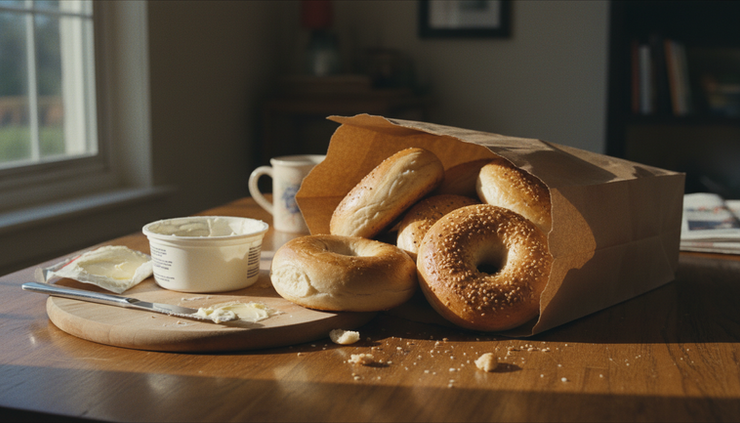
Long Island has a way of getting into a person through small things: the smell of garlic from a neighbor’s kitchen, the cold snap of ocean air in March, the paper bag of bagels on a Sunday morning, the sound of parents calling kids in before the streetlights fully take over. It is easy to make Long Island sound simple from the outside, just suburbs, traffic, beaches, malls, and train rides into the city. But growing up there felt richer than that.
It was food culture. It was solid families. It was character built in schoolyards, ball fields, kitchens, stoops, church basements, temples, delis, diners, and summer jobs. It was diverse in the truest sense, not as a slogan, but as a daily reality. Different accents. Different holidays. Different recipes. Different stories. All packed close together, one town bleeding into the next.
If you grew up in Long Island, New York, and you still carry pieces of it with you, hold onto them. They are not small memories. They are part of what taught you how to notice people, how to show up, how to eat well, and how to belong.

Long Island taught you through food
Food on Long Island was never just food. It was a schedule, a loyalty test, a family ritual, and sometimes a full neighborhood debate.
People had strong opinions. The best bagel place. The pizza spot that sliced it right. The deli that knew your order before you said it. The bakery with the cookies your aunt brought to every birthday. The diner where everyone ended up after a game, a school dance, a late shift, or a long night of talking about nothing and everything.
A Long Island childhood often came with a working knowledge of meals that did not need explaining:
A bacon, egg, and cheese on a roll, wrapped tight in foil
Pizza with a crust thin enough to fold, but strong enough to hold
Bagels still warm enough to fog the inside of the bag
A hero cut into sections for a backyard party
Italian ices in the summer
Diner fries stolen from someone else’s plate
Chicken cutlets stacked high on a Sunday table
Chinese takeout cartons opened across a crowded kitchen counter
Food marked the week. Friday pizza. Sunday sauce. Holiday trays. Barbecue smoke from the backyard. Beach sandwiches wrapped in wax paper or plastic bags, always with a little sand sneaking in.
It also taught respect. You learned that every family did things a little differently. One house smelled like sofrito. Another like tomato sauce. Another like curry, roasted peppers, brisket, fried fish, fresh bread, or something you could not name yet, but remembered forever.
That was the beauty of it. Long Island’s food culture carried Italy, Ireland, the Caribbean, Latin America, Jewish tradition, South Asia, East Asia, Eastern Europe, the American South, and plenty more. Not in a museum way. In a plate-passed-across-the-table way.
You learned to try things. You learned not to insult someone’s mother’s cooking. You learned that recipes could be family history.
Families were the center of everything
Long Island had families that showed up.
Not perfect families. Real ones. Loud ones. Protective ones. Families that worked long hours, argued in the driveway, packed lunches before dawn, prayed for each other, gave rides to practice, hosted cousins for weeks, and somehow always had room for one more plate at the table.
There was a kind of closeness that came from proximity. Grandparents lived nearby. Aunts and uncles appeared without much planning. Cousins felt like siblings. Neighbors watched you grow whether you asked them to or not.
A lot of childhood happened in other people’s homes. You knew which house had the best snacks. Which house had the strict rules. Which parent would let everyone stay outside longer. Which grandparent would send you home with leftovers. Which kitchen had plastic covers on the furniture in the next room and a pot always going on the stove.
The family structure often stretched past blood.
The coach who kept an eye on kids after practice. The crossing guard who knew names. The lunch aide who noticed when someone seemed off. The neighbor who shoveled the walk for an older couple. The friend’s mother who treated every child in the house like one of her own, including the scolding.
That kind of community leaves a mark.
It teaches that love does not always arrive as a speech. Sometimes it looks like someone saving you a seat, sliding food onto your plate, checking your tires, calling to make sure you got home, or standing in the doorway until they see you walk inside.
Character was built in ordinary places
Long Island had a way of toughening people without making a big show of it.
You learned patience in traffic on the Long Island Expressway. You learned timing by catching the LIRR. You learned confidence by ordering at a busy deli counter when the line behind you was not in the mood for hesitation.
You learned how to speak up. You learned how to mind your business, and also when not to. You learned that sarcasm could be affection. You learned that people might argue hard and still bring dessert.
Character came from being surrounded by people who worked. Parents left early. Contractors, teachers, nurses, police officers, firefighters, office workers, restaurant staff, sanitation workers, small business owners, union workers, commuters, caregivers, and store clerks shaped the rhythm of the place.
Kids saw effort up close. They saw adults leave before sunrise, come home tired, and still make dinner, help with homework, check on relatives, or coach a team. That kind of example sinks in deeper than a lecture.
School played its part too. Long Island schools could feel like whole worlds. Hallways were full of different backgrounds, different incomes, different languages at home, different ideas of what success looked like. Some kids had beach houses. Some kids shared bedrooms. Some had parents born nearby. Others had parents who crossed oceans to get there.
That mix could teach humility, even when no one named it. It could teach ambition too.
There was pride in doing things well. Pride in a clean lawn, a good sauce, a strong handshake, a report card, a team jacket, a summer job, a driveway basketball game, a dance recital, a graduation party under a rented tent.
Long Island character often came with a little edge. People could be direct. They could be impatient. They could have opinions about everything from pizza to property taxes. But beneath that edge, there was often loyalty. Once someone claimed you, they claimed you fully.
Diversity was part of daily life
Long Island was never one thing.
It had old neighborhoods and new arrivals. Wealthy shore towns and working-class blocks. Black families, white families, Latino families, Asian families, Jewish families, Muslim families, Christian families, Hindu families, Sikh families, families with many traditions at once, and people still figuring out where they fit.
Some towns felt very different from the one next door. Drive a few minutes and the houses changed, the restaurants changed, the stores changed, the languages on signs changed. That closeness made difference normal. You did not have to travel far to meet another way of living.
Diversity showed up in school friendships, birthday parties, holiday meals, sports teams, music, hair salons, grocery stores, places of worship, and summer block parties. It showed up when a friend’s grandmother fed you something new and watched your face closely to see if you liked it. It showed up when classmates missed school for holidays you had never celebrated, and then told you what they ate.
Sometimes difference created tension. Long Island had, and still has, its divides. Race, class, housing, school districts, and opportunity have never been simple there. A truthful memory should not paint over that. But many people who grew up there also learned early that the world was bigger than their own front door.
That matters.
When a place gives you neighbors from many backgrounds, it gives you a chance to build a wider heart. Not automatically. You still have to choose it. But the chance is there.
Summers felt like their own country
Long Island changed in the summer.
The air got heavier. The days stretched. Lawn sprinklers clicked. Ice cream trucks announced themselves from far away. Beaches became part of the weekly rhythm, even for families that only went a few times. Jones Beach, Robert Moses, Long Beach, the Hamptons if you were headed farther east, or smaller local spots that felt like family secrets.
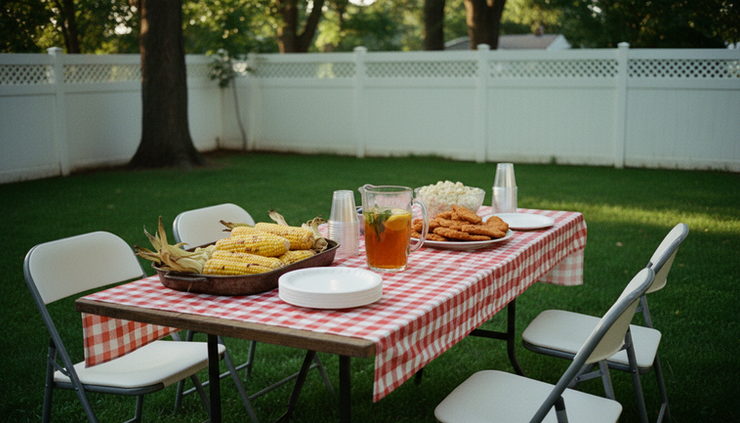
Summer meant wet towels in the car. Sand in the trunk. Sunburned shoulders. Radios playing from open windows. Kids riding bikes until dinner. Fireflies in the yard. The smell of charcoal. Someone’s father cleaning the grill. Someone’s mother bringing out a tray that could feed twice as many people as expected.
It meant block parties where folding tables lined the street and music carried into the night. It meant adults talking in clusters while kids ran around with paper plates and sticky hands. It meant teenagers finding freedom in parking lots, beaches, diners, malls, and train stations, places that felt larger than they were because they were yours.
Summer jobs built their own kind of memory. Scooping ice cream, bussing tables, working retail, lifeguarding, landscaping, babysitting, folding shirts, ringing registers, or answering phones. That first paycheck brought pride. So did the first time you bought your own food after a shift.
Winter had its own beauty, but summer was where Long Island loosened its shoulders.
The small places became landmarks
Not every memory announces itself while it is happening.
A corner deli becomes a landmark only after it closes. A friend’s basement becomes sacred only after everyone moves away. A school field looks ordinary until you pass it years later and remember exactly where you stood, who you liked, and what song was playing in your head.
Long Island childhoods were full of places like that:
The diner booth where serious talks somehow happened after midnight
The pizzeria where the workers knew which kids had money and which kids were short
The school gym that smelled like floor wax and nervous excitement
The town pool where entire summers disappeared
The local library that offered quiet when home was crowded
The train platform where leaving and returning both felt possible
The mall fountain, food court, or movie theater that held a thousand small freedoms
These places might not impress anyone else. That does not make them less valuable.
Memory does not care about fame. It cares about meaning.
A strip mall can matter. A softball field can matter. A side street can matter. A kitchen with mismatched chairs can matter. A beach parking lot at sunset can live in someone’s mind for the rest of their life.
Growing up there gave people roots and motion
Long Island raised a lot of people with two instincts at once: stay close and go farther.
The place gave roots. Family, neighborhood, food, school, faith, friends, and routine created a strong sense of home. Yet the city was always nearby. Trains and parkways pointed outward. People grew up knowing they could leave for work, school, adventure, or reinvention, then return for Sunday dinner.
That mix shaped people. It made them local and outward-looking. They could love their town and still want more. They could complain about Long Island and defend it in the same breath. They could move away and still judge every bagel against the one from home.
There is something tender about that.
Many people leave places thinking they are done with them. Then years pass, and a smell, a phrase, a song, or a certain kind of light brings it all back. Suddenly they are in the back seat again, hair damp from the beach, holding a paper plate at a family party, waiting for a slice, walking into school, hearing a parent call from another room.
Those memories do not ask permission. They arrive.

Hold onto the memories that made you
A life changes. Towns change. Restaurants close. Families spread out. Houses get sold. The people who once filled every room may become voices on the phone, names in old photos, or stories told at holidays.
That is why memories need care.
Hold onto the sound of your grandmother’s kitchen. Hold onto the uncle who spoke too loudly but loved everyone hard. Hold onto the neighbor who watched out for kids that were not theirs. Hold onto the first friend who made you feel welcome. Hold onto the house where everyone left their shoes by the door. Hold onto the food, the jokes, the arguments, the rides, the beaches, the cold mornings, the warm bread, the crowded tables.
Hold onto the lessons too.
Food can be love.
Family can extend beyond blood.
Character is built in daily choices.
Difference can make a place stronger.
Home can stay with you, even after you leave.
Long Island was not perfect. No real place is. But for those who grew up there, it offered something lasting. It gave texture to childhood. It gave flavor to memory. It gave people a way of being that often blends toughness with warmth, pride with humor, and loyalty with a full plate.
If you still have those memories, protect them. Tell the stories. Cook the recipes. Visit the old streets when you can. Say the names of the people who shaped you. Share the places that mattered, even if they look different now.
A good memory is more than looking back. It is a way of carrying forward the best of where you came from.


Comments